
Chelsea Green Pharmacy
Anaemia rarely arrives with a dramatic warning sign. More often, it creeps in quietly, through tiredness you put down to a busy week, or a paleness you only notice when someone points it out. One of the lesser-known signs is what’s sometimes called an anaemia rash, a skin change that can be easy to overlook but worth paying attention to. At our private blood testing clinic in Chelsea, we speak to patients regularly who have lived with subtle symptoms for weeks or months before realising a simple blood test could explain what was going on.
If you have noticed unusual marks on your skin, persistent paleness, or bruising that seems to appear from nowhere, it is worth investigating further. Get in touch with our team or book a private blood test at our Chelsea clinic to get started.
Quick Answer
An anaemia rash usually appears as tiny red or purple spots on the skin, caused by low platelet levels affecting blood clotting. Other skin signs of anaemia include paleness, a dull or washed-out complexion, and bruising that appears more easily than usual. These changes are worth investigating with a blood test, particularly alongside symptoms like fatigue, dizziness or breathlessness.
What Is An Anaemia Rash?
Anaemia develops when your body does not have enough healthy red blood cells to carry oxygen effectively around your body. Because oxygen delivery affects almost every tissue, including the skin, changes can show up in ways that are easy to dismiss or mistake for something else entirely.
Skin Changes Linked To Anaemia
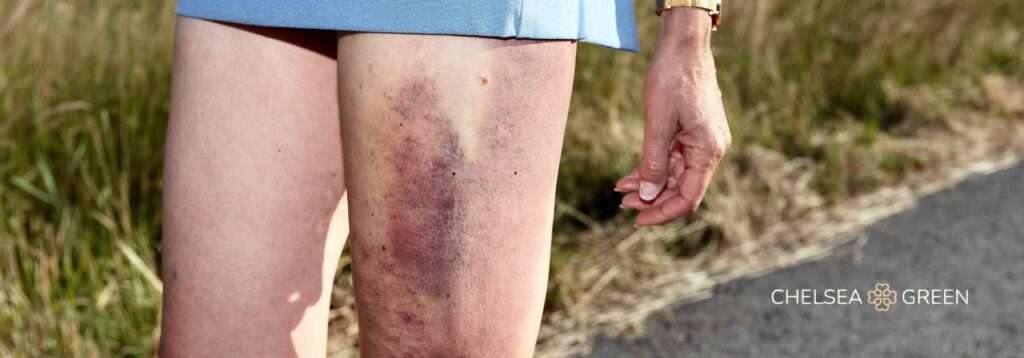
Anaemia affects the body’s ability to deliver oxygen to tissues, and in some cases, this can result in noticeable changes to your skin. One of these changes is an anaemia rash, which often appears as tiny red or purple spots caused by low platelet levels in certain types of anaemia. This can be a sign that your blood is not clotting properly and may indicate an underlying problem that needs attention.
Other skin changes linked to anaemia include paleness, particularly noticeable on the face, lips, and inner eyelids. The reduced circulation of oxygen-rich blood can also make the skin appear dull or washed out. In some cases, bruising may occur more easily than normal because of reduced platelet counts or changes in blood composition.
If you notice unusual skin rashes, persistent paleness, or unexplained bruising, it is important to seek advice promptly.
Recognising The Difference: Rash, Paleness Or Bruising
These three skin changes can look quite different from one another, and understanding what to look for can help you describe your symptoms clearly when speaking to a clinician.
| Skin Change | What It Looks Like | Possible Cause |
|---|---|---|
| Anaemia rash | Tiny red or purple flat spots, often on the lower legs | Low platelet count affecting normal clotting |
| Paleness | Noticeable on the face, lips, gums, or inner eyelids | Reduced haemoglobin and oxygen-carrying capacity |
| Easy bruising | Bruises appearing without obvious injury, or larger than expected | Low platelets or changes in blood composition |
| Dull or washed-out complexion | Skin appears less vibrant, sometimes with a slight grey tone | Poor oxygen delivery to skin tissue |
Common Causes Of Anaemia
Anaemia can develop for several different reasons, and understanding the cause is essential for effective treatment. Some of the most common include:
Low Iron Levels
Iron-deficiency anaemia is one of the most common forms and occurs when the body lacks enough iron to produce sufficient haemoglobin. This can happen due to poor diet, blood loss, or increased demand, such as during pregnancy.
Vitamin B12 Or Folate Deficiency
A lack of vitamin B12 or folate can lead to pernicious anaemia, where the body struggles to make healthy red blood cells. Symptoms can include fatigue, tingling sensations in the hands or feet, and in some cases, skin rashes. If you suspect a deficiency, a vitamin blood test in Chelsea can help confirm whether supplementation is needed.
Chronic Illness Or Underlying Health Conditions
Certain medical conditions, such as kidney disease, autoimmune disorders, or long-term infections, can cause anaemia by affecting red blood cell production. In these cases, further testing may be required to understand the root cause.
Blood Loss
Heavy menstrual bleeding, gastrointestinal issues, or surgery can all lead to significant drops in red blood cell levels, triggering anaemia and related symptoms, including visible skin changes.
Because the causes are varied, private testing at our Chelsea clinic can help determine the exact reason for your symptoms. Identifying the underlying issue early means treatment can begin sooner, improving recovery and preventing complications.
Other Symptoms That Often Go Unnoticed
Skin changes rarely appear in isolation. Anaemia often produces a wider set of symptoms that, individually, seem minor but together paint a clearer picture. These can include:
- Persistent tiredness that does not improve with rest
- Dizziness or lightheadedness, particularly when standing up quickly
- Shortness of breath during activities that would not normally cause it
- Cold hands and feet
- Rapid or irregular heartbeat
- Headaches or difficulty concentrating
- Brittle nails or unusual hair thinning
If you recognise several of these alongside a skin change, it strengthens the case for getting a blood test rather than waiting to see if things improve on their own.
When To Seek Private Blood Testing
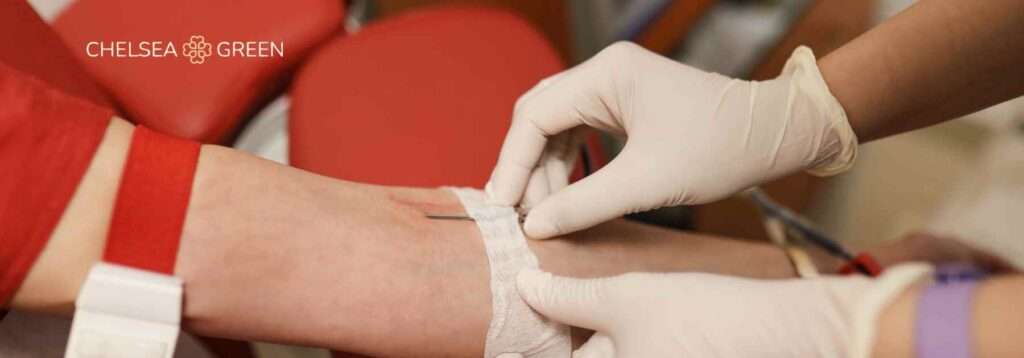
If you have noticed symptoms such as persistent tiredness, dizziness, shortness of breath, pale skin, or an anaemia rash, it may be time to consider a full blood count or liver function test. This simple and effective test measures the number of red and white blood cells, haemoglobin levels, and platelets in your blood, providing an overall picture of your health.
In some cases, additional tests, such as a vitamin blood test in Chelsea, may be recommended to check for deficiencies that could be contributing to your symptoms. Early testing allows you to take action before your symptoms worsen and gives you the information needed to make informed decisions about your health.
At our clinic, we make private blood testing straightforward and accessible. Our team will guide you through the process, explain the results clearly, and help you decide on the next steps, whether that involves dietary changes, supplements, or referral to a GP for further investigations.
Most bruises are harmless and fade on their own, but bruising that appears without a clear cause, is unusually large, or is accompanied by other symptoms should be checked by a healthcare professional, which is exactly the sort of pattern a blood test can help clarify.
What A Blood Test Can Reveal
A single appointment can check for far more than just anaemia. Depending on the panel selected, a blood test may reveal information about:
| Marker | What It Measures | Relevance To Anaemia |
|---|---|---|
| Haemoglobin | Oxygen-carrying protein in red blood cells | Low levels are the primary indicator of anaemia |
| Ferritin | Stored iron in the body | Often low before haemoglobin drops, an early warning sign |
| Platelet count | Cells responsible for clotting | Low counts can cause rash-like spots and easy bruising |
| Vitamin B12 and folate | Nutrients needed for red blood cell production | Deficiency can cause pernicious anaemia |
| White blood cell count | Immune system markers | Helps rule out infection or other underlying conditions |
Frequently Asked Questions
Is an anaemia rash the same as petechiae?
Yes, in most cases the term anaemia rash refers to petechiae, tiny flat red or purple spots caused by small amounts of bleeding under the skin. They are often found on the lower legs but can appear elsewhere. Unlike many rashes, petechiae do not fade when pressed, which is one way clinicians distinguish them from other skin conditions.
Can anaemia cause itching without a visible rash?
It can. Some people with anaemia, particularly iron-deficiency anaemia, report generalised itching even when no rash is visible. This is thought to be linked to how reduced oxygen delivery affects the skin and nerve endings. If you have persistent, unexplained itching alongside other symptoms like fatigue or paleness, it is worth mentioning this when you have a blood test.
Why does anaemia sometimes affect the eyes or nails as well as the skin?
Anaemia reduces the amount of oxygen-rich blood reaching tissues throughout the body, not just the skin. The inner eyelids and nail beds have thin, visible blood vessels, which is why paleness often shows up clearly in these areas. In more severe or long-standing iron deficiency, nails can also become brittle, ridged, or in rare cases develop a spoon-like shape, known as koilonychia.
How quickly can skin changes improve once anaemia is treated?
This varies depending on the cause and severity of the anaemia. Paleness and dullness in the skin often begin to improve within a few weeks of starting appropriate treatment, such as iron supplementation, as haemoglobin levels gradually rise. Bruising and rash-like spots linked to low platelets may take longer to resolve fully, particularly if there is an underlying condition affecting platelet production that also needs addressing.
Can children develop an anaemia rash, and does it look different?
Yes, children can develop the same petechial rash associated with low platelets, and it generally looks similar to how it appears in adults, small red or purple spots that do not fade under pressure. In children, unexplained bruising or a petechial rash should always be assessed promptly by a GP, as there are a number of possible causes, some of which need urgent attention.
Are there foods or supplements that can worsen bruising in someone with anaemia?
Certain supplements and substances can increase the likelihood of bruising, particularly in someone already prone to it due to anaemia. These include high-dose fish oil supplements, regular aspirin or other blood-thinning medication, excessive alcohol consumption, and certain herbal supplements, such as ginkgo biloba.
If you are taking any of these and notice increased bruising, mention this during your blood test consultation so it can be factored into your results.
Where can I get a private blood test for anaemia in Chelsea?
Our clinic is based at 6 Elystan Street, Chelsea, London, SW3 3NS, and offers a full range of private blood testing, including full blood count, ferritin, and vitamin panels relevant to anaemia. You do not need a GP referral to book, and our team will explain your results clearly, along with any recommended next steps.
Take The Right Steps For Your Wellbeing
If you are experiencing skin changes such as an anaemia rash, unexplained bruising, or ongoing fatigue, it may be time to arrange a private blood test. At our clinic, we offer a range of private blood tests to help identify potential causes and provide clarity about your health.
Our experienced team is here to support you with fast, reliable results and personalised guidance based on your individual needs. Whether you are concerned about anaemia, monitoring an existing condition, or simply want reassurance, we can help you take the right steps for your wellbeing.
Book your appointment today at our Chelsea clinic and gain peace of mind with expert advice and professional private blood testing services in London, or contact our team if you have any questions beforehand.
☑ Clinically Reviewed
A pharmacist reviews the content to help ensure medicines are presented responsibly and that patient-facing health information is accurate, appropriate, and aligned with current clinical guidance.
Last reviewed: September 2026
