
Chelsea Green Pharmacy
At Chelsea Green Pharmacy, we understand that starting a new weight management treatment can feel overwhelming, especially when it involves self-administered injections. Mounjaro is a prescription-only treatment designed to help regulate blood sugar levels and support weight loss, but knowing how and where to inject it safely is essential to ensure it works effectively. Our pharmacists and clinicians specialise in supporting patients on their weight management journey, offering expert advice and practical guidance on using treatments like Mounjaro safely and confidently.
In this guide, we answer some of the most common questions we receive from patients, helping you better understand where to inject Mounjaro, how to manage your injections and when to seek professional advice.
Where Do You Inject Mounjaro?
Mounjaro is injected subcutaneously (under the skin) into the abdomen, thigh, or upper arm. It’s best to rotate between these sites each week to help reduce irritation or skin changes at the injection area. Always follow the instructions provided with your prescription and speak to your pharmacist or prescriber if you’re unsure how to administer it correctly.
Where should I inject Mounjaro?
Mounjaro is designed to be administered as a subcutaneous injection, which means it needs to be injected just under the skin rather than into a muscle. The three most commonly recommended injection sites are:
-
The abdomen, avoiding the area within two inches of your navel
-
The front of the thigh
-
The back of the upper arm
Many patients prefer using the abdomen as it is the most accessible and comfortable area, but you may find another site works better for you. When injecting into the upper arm, it can be more difficult to manage on your own, so some patients ask a partner, friend or healthcare professional to assist.
If you are unsure which area is best for you, our team at Chelsea Green Pharmacy can demonstrate safe injection techniques during your consultation, ensuring you feel confident about using Mounjaro correctly.
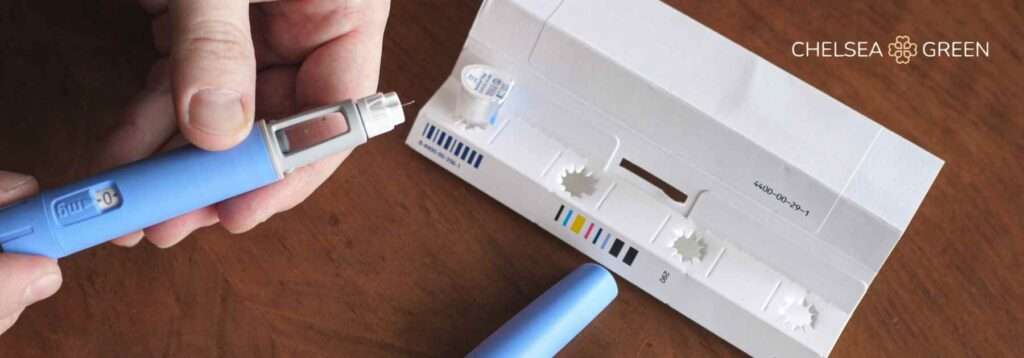
Do I need to rotate injection sites?
Yes, rotating injection sites is important for your comfort and safety. Using the same spot repeatedly can lead to irritation, bruising, swelling or hardened patches under the skin, which may make future injections less effective and more uncomfortable. By rotating between different approved areas, you give your skin time to recover and reduce the risk of complications.
A simple way to manage rotation is to divide your abdomen, thighs or arms into sections and alternate the areas each week. Keeping track of where you last injected can help you avoid unnecessary soreness and ensure that the medication is absorbed evenly.
At Chelsea Green Pharmacy, we provide personalised advice on managing your injection schedule, including tips on site rotation and techniques to make the process easier and more comfortable.
Can I inject Mounjaro into my arm myself?
The back of the upper arm is a recommended injection site, but it can be challenging to access on your own. Some patients find it easier to ask someone they trust to administer the injection, while others prefer to stick to areas like the abdomen or thighs where they have more control and visibility.
If you do choose to inject into your arm, we can show you the correct way to do it safely during your consultation. Our private weight management services include practical demonstrations and one-to-one support to ensure you feel fully prepared before starting your treatment. We are also on hand to help you make lifestyle changes, supporting safe and sustainable weight loss.
What if I inject in the wrong place?
It is not uncommon for patients to worry about injecting Mounjaro incorrectly. If you accidentally inject too deeply into a muscle rather than under the skin, you may experience discomfort, and the medication may not be absorbed as effectively. In most cases, injecting in the wrong spot is unlikely to cause serious harm, but if you experience severe pain, swelling or unexpected side effects, you should seek medical advice.
To avoid mistakes, we recommend following proper technique and sticking to approved injection sites. If you are uncertain, we can walk you through the entire process at Chelsea Green Pharmacy, giving you the confidence to manage your treatment safely at home.
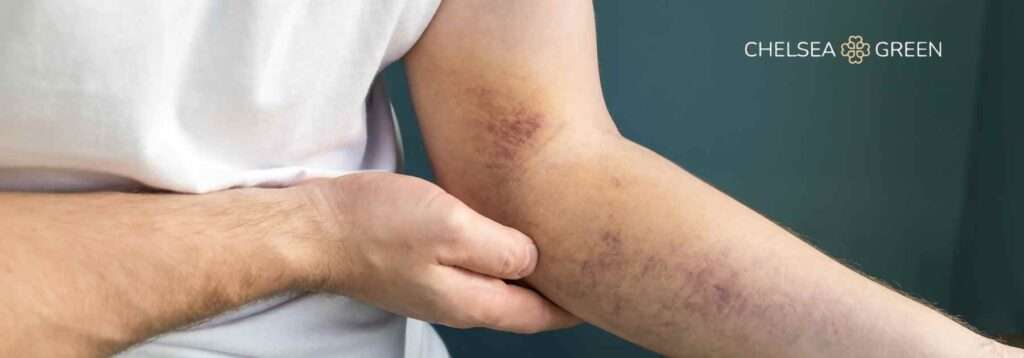
How can I reduce pain or irritation?
Mounjaro injections are designed to be as comfortable as possible, but some patients may still experience mild redness, stinging or swelling around the injection site. There are several steps you can take to make the process easier:
-
Allow the medication to reach room temperature before injecting
-
Clean the skin thoroughly with an alcohol wipe
-
Avoid injecting into areas that are bruised, scarred or irritated
-
Use a fresh needle each time and dispose of it safely
-
Rotate your injection sites to give your skin time to recover
If irritation persists or you are concerned about your reaction, our pharmacists can provide guidance and, if needed, refer you for further medical support.
Hints And Tips
A little discomfort or occasional bruising is common with subcutaneous injections, but small adjustments to your technique can make a noticeable difference. The table below sets out some practical tips.
| Issue | Helpful Tip | Why It Helps |
|---|---|---|
| Stinging or sharp sensation | Let the pen reach room temperature before injecting | Cold medication straight from the fridge can increase discomfort on injection |
| Bruising | Apply gentle pressure with a clean cotton pad for a few seconds after injecting, without rubbing | Rubbing the area can disturb small blood vessels under the skin, increasing bruising |
| Repeated soreness in one area | Rotate injection sites and avoid injecting into the same spot twice in a row | Gives the skin time to heal and reduces build up of irritation or hardened tissue |
| Bruising that seems worse than usual | Avoid injecting into areas with visible veins, scars, or existing bruises | These areas are more prone to bleeding under the skin |
| Tension or anxiety before injecting | Relax the muscle in the area before inserting the needle, rather than tensing | Injecting into a tensed muscle can increase discomfort and the likelihood of bruising |
| Redness or mild swelling | Use a clean alcohol wipe and allow the skin to fully dry before injecting | Injecting before the alcohol has dried can cause stinging and skin irritation |
| Blood thinning medication or supplements | Mention any blood thinners, aspirin, or fish oil supplements to your pharmacist | These can increase the likelihood of bruising after any injection |
If bruising is frequent, unusually large, or slow to heal, it is worth mentioning this to your pharmacist or prescriber, as they can review your technique and check whether anything else may be contributing.
Frequently Asked Questions
Does it matter what time of day or day of the week I inject Mounjaro?
Mounjaro is taken once a week, and you can choose whichever day suits your routine best, with or without food. What matters more than the specific day is consistency, so try to inject around the same time each week to help maintain steady levels in your system. If you need to change your chosen day, this is usually fine as long as there is at least 72 hours between doses. If you are unsure after missing your usual slot, our team can talk you through the best way to adjust your schedule.
What should I do if I forget a dose?
If you miss a dose and it has been less than four days since your scheduled injection, you can usually administer it as soon as you remember, then continue with your normal weekly schedule. If more than four days have passed, it is generally recommended to skip the missed dose and wait until your next scheduled day, rather than doubling up. Every patient’s circumstances can differ slightly, so if you are ever unsure, it is best to check with your pharmacist or prescriber before injecting a delayed dose.
How should I store Mounjaro, and what if I am travelling?
Mounjaro pens should typically be kept refrigerated between 2°C and 8°C until first use. Once in use, some pens can be kept at room temperature for a limited period, though this varies, so it is worth checking your specific patient information leaflet. If you are travelling, a few practical tips can help:
- – Use an insulated cool bag or travel case designed for injectable medicines
- – Avoid letting the pen freeze, as this can affect the medication
- – Carry your prescription or a doctor’s letter if flying, in case you are asked about carrying needles
- – Keep the pen in your hand luggage rather than checked baggage to avoid temperature extremes
Our team can provide a written travel letter for patients who need one for airport security.
Can I exercise before or after injecting?
Yes, exercise is generally fine before or after your injection and is often encouraged as part of a sustainable weight management plan. However, it is sensible to avoid vigorous exercise that directly involves the injection site immediately afterwards, such as heavy arm workouts shortly after an upper arm injection, as this could increase irritation at the site. If you experience any unusual soreness during exercise following an injection, allowing the area to settle before repeating strenuous activity in that spot is a sensible precaution.
How do I safely dispose of used Mounjaro needles and pens?
Used needles and pens should never go in your household rubbish bin. They should be placed into a proper sharps disposal bin, which is designed to prevent needlestick injuries. Once your sharps bin is full, many pharmacies, including ours, can advise on local disposal schemes, or your council may offer a collection service. Never attempt to recap, bend or reuse a needle, and always dispose of each one immediately after a single use.
How is a normal reaction different from something I should be worried about?
Mild redness, slight swelling or a small bruise at the injection site is common and usually settles within a day or two. Signs that may need medical attention include:
- – Swelling that spreads well beyond the injection site or continues to worsen
- – Signs of infection, such as warmth, pus or increasing redness
- – A widespread rash, hives or facial or throat swelling
- – Difficulty breathing
A localised, mild reaction is generally nothing to worry about, but anything resembling an allergic reaction should be treated as urgent and assessed by a medical professional straight away.
Will diet or alcohol affect how well Mounjaro works?
Mounjaro is not affected by food timing in the same way as some medications, so it can be injected with or without a meal. That said, many patients find their appetite and digestion change noticeably while on treatment, and rich, fatty or very large meals can sometimes worsen nausea. Alcohol can also affect blood sugar levels and may increase the likelihood of stomach related side effects, so moderation is generally advised. Our clinicians can offer tailored dietary guidance as part of your ongoing weight management support.
Book Private Weight Loss Services at Chelsea Green Pharmacy
Starting a treatment like Mounjaro can feel daunting, but you do not need to manage it on your own. At Chelsea Green Pharmacy, we offer private weight loss services designed to give you the professional support you need every step of the way. From choosing the right treatment to demonstrating proper injection techniques and monitoring your progress, our team is here to help you achieve safe, effective and sustainable results.
If you would like personalised advice on where to inject Mounjaro, how to use it correctly or whether it is the right treatment for you, we invite you to book a consultation with one of our specialists. Our friendly team will answer your questions, provide practical guidance and help you feel confident in managing your weight loss journey.
Contact Chelsea Green Pharmacy today to arrange your appointment and take the first step towards a healthier, more informed approach to weight management.

☑ Clinically Reviewed
A pharmacist reviews the content to help ensure medicines are presented responsibly and that patient-facing health information is accurate, appropriate, and aligned with current clinical guidance.
Last reviewed: August 2026
