
Chelsea Green Pharmacy
A fasting blood test is commonly used to measure important health markers such as cholesterol levels, blood glucose, and certain metabolic indicators. Because these markers can be temporarily affected by food and drink, patients are usually asked to fast before the test to help provide more accurate results.
However, many people preparing for a fasting blood test also wonder whether their regular medications could influence the results. This is an important question, particularly for those taking medicines for conditions such as diabetes, high cholesterol, or hormonal disorders.
At Chelsea Green Pharmacy, we regularly support patients preparing for private blood testing and provide guidance on how to prepare correctly. If you are considering private blood tests in Chelsea or want advice about a fasting blood test, our pharmacy team can help ensure you feel confident and prepared before your appointment. Reach out today or visit us in Chelsea:
6 Elystan Street, Chelsea, London, SW3 3NS
In Brief: Can Medication Affect Your Results?
In some cases, medications can affect a fasting blood test. Certain medicines may influence blood sugar levels, cholesterol levels, hormone levels, or liver enzyme readings. This does not necessarily mean the test cannot be performed, but it does mean healthcare professionals may take medication use into account when reviewing the results.
Most patients should continue taking their prescribed medication unless a healthcare professional advises them otherwise.
Why Fasting Blood Tests Are Used
A fasting blood test helps healthcare professionals assess your baseline health without the short term impact of food. After eating, levels of glucose, fats, and other substances in the blood can temporarily change. Fasting allows these measurements to stabilise so they can be assessed more accurately.
Common reasons for a fasting blood test include:
- Checking cholesterol levels through a lipid profile
- Screening for diabetes or monitoring blood sugar levels
- Assessing metabolic or hormonal health
- Monitoring certain ongoing health conditions
In most cases, patients are asked to avoid food for around eight to twelve hours before the test.
How Medication Can Influence Blood Test Results
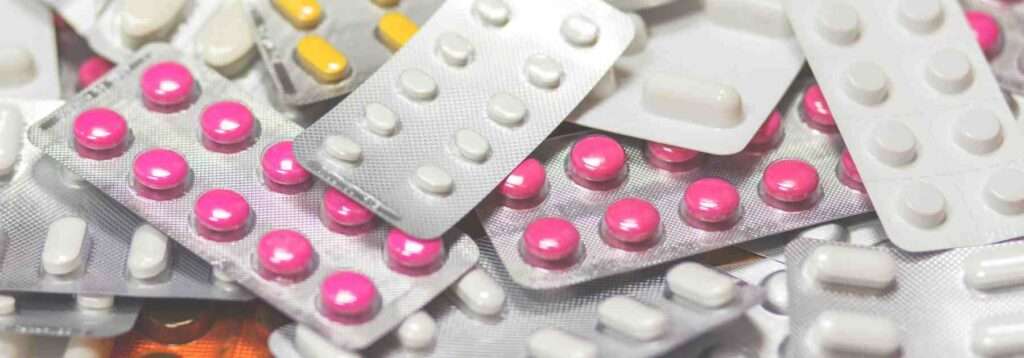
Medications may influence certain markers that are measured during a fasting blood test. This does not mean the results are incorrect, but it helps healthcare professionals interpret the findings more accurately.
Some medicines may affect results in different ways.
Medicines that can influence blood sugar levels may alter glucose readings. Drugs used to manage cholesterol may affect lipid profiles. Hormone treatments or steroid medications can also influence metabolic markers or liver enzyme levels.
Because of these potential effects, healthcare professionals will usually ask about any medications or supplements you are taking before performing a fasting blood test.
Taking Medication Before Your Test
Many patients worry about whether they should skip their medication before a fasting blood test. In most cases, the safest approach is to continue taking prescribed medicines as normal.
Stopping medication without medical guidance can sometimes cause more problems than continuing it. Healthcare professionals reviewing the results will simply take your medication history into account.
If a specific medication needs to be adjusted before testing, this guidance will normally be provided in advance.
How To Prepare For A Fasting Blood Test
Preparing properly helps ensure the results of a fasting blood test are as accurate as possible. Most preparation instructions are simple and easy to follow.
Patients are generally advised to:
- Fast for the recommended period, usually eight to twelve hours
- Drink water during the fasting period to stay hydrated
- Avoid alcohol before the test
- Inform the healthcare professional about all medications and supplements being taken
Following these steps can help ensure your test results provide useful information about your health.
When Medication Instructions May Differ
In some situations, healthcare professionals may provide more specific instructions about medications before a fasting blood test. This is more common when testing blood glucose levels, certain hormone levels, or specialised metabolic markers.
For example, some patients with diabetes may receive personalised instructions on when to take their medication on the day of the test. Similarly, certain supplements may be paused before specialised laboratory investigations.
These decisions are always made on an individual basis to ensure the most reliable test results.
What Happens During The Test
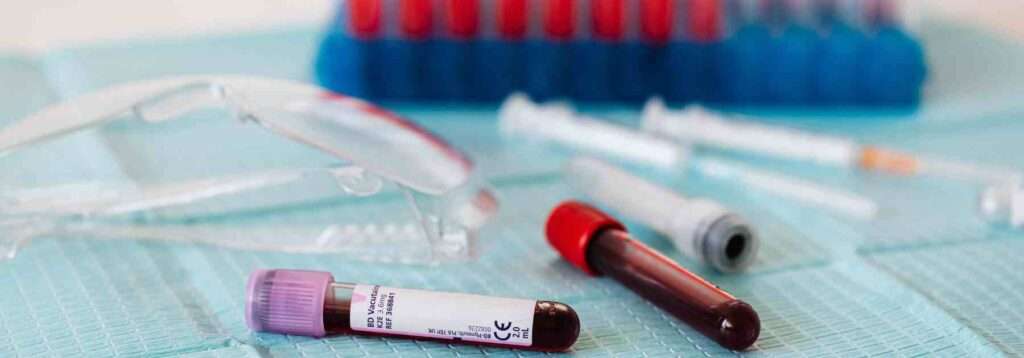
A fasting blood test is a quick and routine procedure. A trained healthcare professional will take a small sample of blood from a vein in your arm using a sterile needle. The process typically takes only a few minutes.
Once collected, the sample is sent to a laboratory where it is analysed. Results are usually available within a few days depending on the type of tests performed.
Many patients choose private blood tests in Chelsea over NHS services because they provide convenient appointment times and faster access to results.
Frequently Asked Questions About Fasting Blood Tests
Can I drink water during a fasting blood test?
Yes. Drinking water is usually allowed and may help make the blood sample easier to take.
Can medications affect a fasting blood test?
Some medications can influence certain blood markers, which is why healthcare professionals usually ask about your medication history before testing.
Should I skip medication before the test?
Most medications should be taken as usual unless a healthcare professional specifically advises otherwise.
How long do I need to fast?
Most fasting blood tests require eight to twelve hours without food.
What if I accidentally eat before my test?
Eating may affect certain results. In some cases the test may need to be rescheduled.
Are fasting blood tests always done in the morning?
Many fasting blood tests are scheduled in the morning because it is easier for patients to fast overnight.
Book A Blood Test Consultation
If you need guidance about preparing for a fasting blood test or want to arrange private blood tests in Chelsea, our team at Chelsea Green Pharmacy is here to help.
Contact us today or book an appointment to discuss blood testing services and receive personalised support from our pharmacy team.

At Chelsea Green Pharmacy, we help patients understand how to prepare for testing and ensure they receive clear guidance before their appointment. Our team supports patients accessing blood testing services and helps them understand their results.
The information in this article is intended for general educational purposes and should not replace personalised advice from a healthcare professional.
